ORAL SURGERY

Dental Extractions in South Delhi: Gentle, Atraumatic Tooth Removal

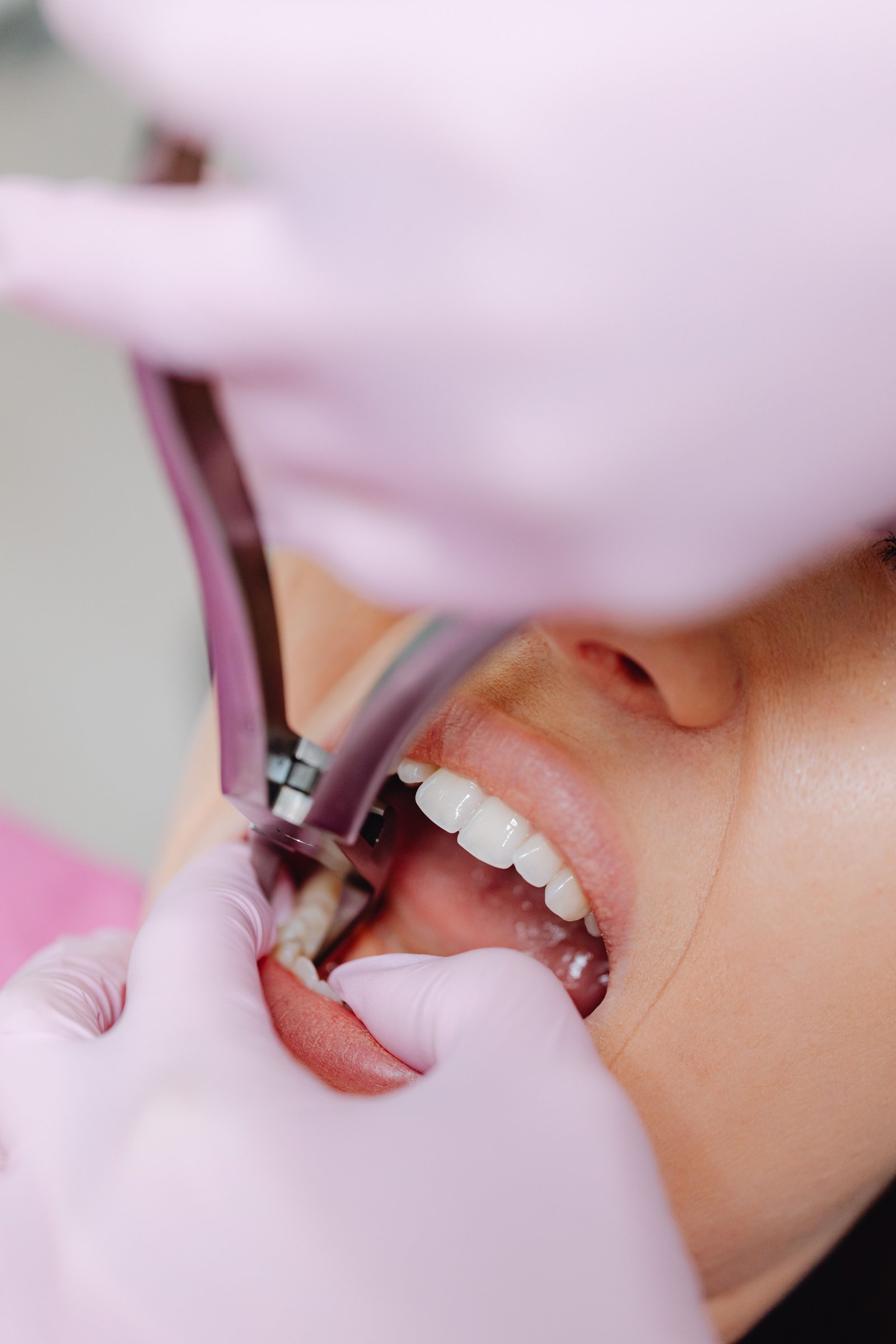
When a tooth cannot be saved due to severe decay, trauma, or vertical root fracture, our atraumatic extraction protocol removes it gently while preserving supporting bone for future implants.

WhatsApp Us Call Us
20+ Years Trusted Care Digital 3D Accuracy Sarvodaya Enclave, South Delhi
ATRAUMATIC ORAL SURGERY Dental extraction treatment
Computerized Local AnesthesiaSocket Preservation & Ridge CareZero-Pain Protocol
AS
Dr. Amit Srivastava (BDS, MDS Orthodontics) 29+ Years Clinical Practice • Sarvodaya Enclave
Clinical Deep-Dive

Atraumatic Tooth Removal: Gentle Technique That Preserves Your Jawbone

At Dental Specialities in Sarvodaya Enclave, extracting a tooth is always our absolute last resort. Our primary mission is always to save natural teeth whenever clinically possible through root canals or restorations. However, when extensive decay extends deep below the bone crest, or when a tooth suffers an irreparable vertical root fracture, extraction becomes necessary to eliminate infection.

Forget terrifying depictions of forceful pulling. Modern oral surgery is based on atraumatic extraction principles. We utilize specialized micro-luxators and periotomes that gently sever the microscopic periodontal ligament fibers holding the tooth, sliding the tooth out with minimal lateral force.

This delicate, bone-sparing approach leaves the surrounding socket walls and gum contours completely intact, ensuring rapid post-operative healing, minimal swelling, and preserving the anatomical bone ridge for future dental implant placement.

Why Choose This Care

Key Benefits & Clinical Advantages

100% comfortable Procedure

Administered under computer-controlled local anesthesia ensuring profound, complete numbness throughout.

Atraumatic Bone Preservation

Preserves the delicate buccal bone plate, laying the essential groundwork for seamless future dental implants.

Instant Elimination of Infection

Removes the source of chronic bacterial abscesses, protecting systemic health and adjacent teeth.

Rapid, Comfortable Recovery

Minimally invasive extraction technique results in minimal post-operative swelling, bleeding, or bruising.

Optional Socket Bone Grafting

We can place a bone graft into the fresh socket immediately to prevent post-extraction ridge collapse.

Gentle, Empathetic Care

Dr. Amit and our team specialize in calming dental anxiety with a gentle, reassuring chairside manner.

Candidate Suitability

Is This Treatment Right for You?

A comprehensive examination and digital scan confirms suitability. Here is our clinical guideline.

When This Treatment Is Recommended

  • Teeth with unrestorable decay extending deep below the bone level
  • Severe vertical root fractures causing chronic bone infection
  • Extremely loose teeth resulting from advanced, untreatable periodontal bone loss
  • Over-retained baby teeth blocking the eruption of permanent teeth
  • Teeth selected for extraction to create space during orthodontic treatment

When An Alternative May Be Indicated

  • Teeth that can be saved through Root Canal Treatment, Post & Core, and a Crown
  • Teeth with reversible pulpitis or small restorable cavities
  • Teeth treatable with periodontal scaling and regenerative therapy
How It Works

Step-by-Step Clinical Process

Transparent, predictable steps so you feel fully informed and confident at every stage.

01

Digital Radiograph Evaluation

Detailed digital RVG imaging to examine root curvature, bone levels, and adjacent nerve proximity.

02

Profound comfortable Numbing

Computerized local anesthesia ensuring the tooth and surrounding tissues are 100% numb.

03

Atraumatic Periotome Elevation

Gently disconnecting the periodontal ligament fibers with micro-instruments to glide the tooth out.

04

Socket Cleansing & Hemostasis

Curretting and cleansing the socket with saline, placing sterile gauze, and providing clear home care instructions.

How we plan your care

A clear process from consultation to review.

We use clinical assessment and digital planning to discuss the appropriate treatment—not patient result imagery.

1

Consult

We listen to your concerns and assess your oral health.

2

3D scan

iTero or CBCT imaging is used when it helps plan your care.

3

Digital plan

We explain appropriate options, stages and your treatment estimate.

4

Treatment & review

Care is monitored with planned check-ins and follow-up guidance.

Patient Inquiries

Frequently Asked Questions

Clear, clinically honest answers to the questions our patients ask most often.

Will I feel pain during the tooth extraction?+

No. The procedure is performed under complete local anesthesia. You may feel gentle pressure or slight vibration as the tooth is loosened, but you will not feel any sharpness or pain. If you ever feel anything, Dr. Amit pauses immediately to apply more anesthetic.

What is 'dry socket' and how is it prevented?+

A dry socket occurs if the protective blood clot in the socket is dislodged before healing, exposing the bone. You can easily prevent it by avoiding drinking through straws, smoking, or vigorous rinsing for the first 48 hours after extraction.

How long does it take for the socket to heal?+

The gum tissue closes over the socket in about 1 to 2 weeks. The underlying bone takes 2 to 3 months to fully remodel and mature.

What should I eat after an extraction?+

Eat soft, cool foods for the first 24 to 48 hours—such as yogurt, smoothies, ice cream, soft rice, and mashed potatoes. Avoid hot, spicy, or crunchy foods while the area is healing.

Can a dental implant be placed immediately into the extraction socket?+

In many cases, yes! If there is no acute infection and the surrounding bone is thick and healthy, an immediate implant can be placed during the exact same appointment, saving you months of total treatment time.