PROSTHODONTIC PROCEDURES

Ceramic Inlays & Onlays: Conservative Partial Crowns Preserving Tooth Structure

When a cavity is too large for a regular filling but doesn't require grinding the entire tooth down for a full crown. A precision-milled ceramic puzzle piece that restores full strength while saving your natural enamel.

WhatsApp Us Call Us
20+ Years Trusted Care Digital 3D Accuracy Sarvodaya Enclave, South Delhi
MICRO-PROSTHETICS Restorative dental treatment
CAD/CAM Lithium Disilicate (E-Max)Preserves 70% More EnamelFlawless Marginal Fit
AS
Dr. Amit Srivastava (BDS, MDS Orthodontics) 29+ Years Clinical Practice • Sarvodaya Enclave
Clinical Deep-Dive

Biomimetic Dentistry: Maximum Conservation of Natural Tooth Structure

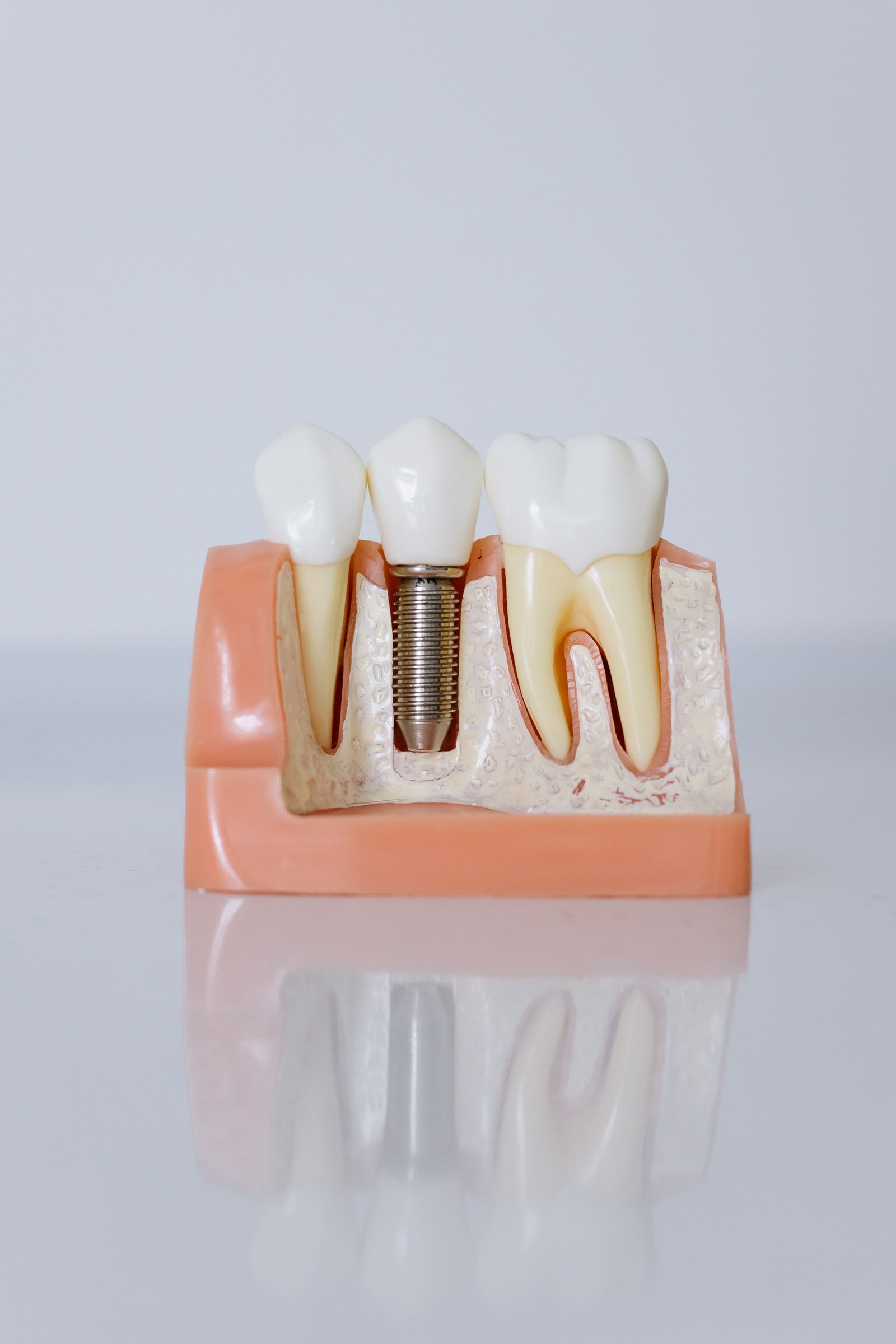
For decades, the standard response to a broken cusp or large cavity was to shave down 70% of healthy enamel and place a full 360-degree crown. Biomimetic dentistry changes that equation entirely. An inlay or onlay (often called a 'partial crown') restores only the damaged or missing part of your tooth.

An inlay fits snugly inside the cusps like an ultra-strong lab-made filling. An onlay extends over one or more cusps to shield the tooth from splitting under chewing pressure. Both are custom-milled from lithium disilicate glass-ceramic (IPS E-Max) or nano-ceramic blocks.

Because ceramic onlays are adhesively bonded with dual-cured resin cements, they fuse the remaining tooth walls together, restoring the tooth's structural support without sacrificing healthy enamel.

Why Choose This Care

Key Benefits & Clinical Advantages

Preserves 70% More Natural Enamel

Only removes decayed or damaged tissue; healthy tooth walls remain completely untouched.

Superior to Large Composite Fillings

Milled from dense ceramic blocks in a lab, with zero polymer shrinkage and superior wear resistance.

Strengthens Weakened Cusps

Adhesive bonding ties fractured tooth cusps together, preventing catastrophic root fractures.

Flawless Anatomical Contacts

Recreates tight, natural interdental contacts so food never gets painfully packed between teeth.

Stunning Natural Aesthetics

Translucent E-Max ceramic blends seamlessly with your remaining natural enamel shades.

Long-Term Marginal Integrity

Microscopic CAD/CAM tolerances prevent recurrent decay along margins for 12 to 15+ years.

Candidate Suitability

Is This Treatment Right for You?

A comprehensive examination and digital scan confirms suitability. Here is our clinical guideline.

When This Treatment Is Recommended

  • Teeth with large, failing silver amalgam or composite fillings
  • Molar teeth with one or two fractured cusps but healthy remaining enamel walls
  • Teeth with micro-cracks along fissures that cause pain upon biting (cracked tooth syndrome)
  • Patients who want to avoid aggressive full-crown tooth preparation

When An Alternative May Be Indicated

  • Teeth where decay has destroyed all four cusps down to the gumline (Full Zirconia Crown indicated)
  • Teeth requiring root canal treatment and fiber post foundation before restoration
How It Works

Step-by-Step Clinical Process

Transparent, predictable steps so you feel fully informed and confident at every stage.

01

Conservative Prep & Cavity Cleansing

Removing old fillings and decay, leaving all sound enamel and cusps intact.

02

High-Definition 3D iTero Scan

Capturing an exact digital optical impression of the prepared cavity and adjacent bite.

03

CAD/CAM E-Max Robotic Milling

Designing the custom restoration on 3D software and robotic milling in high-density lithium disilicate.

04

Enamel Etch & Adhesive Bonding

Conditioning the enamel and chemically bonding the ceramic onlay with dual-cure resin.

How we plan your care

A clear process from consultation to review.

We use clinical assessment and digital planning to discuss the appropriate treatment—not patient result imagery.

1

Consult

We listen to your concerns and assess your oral health.

2

3D scan

iTero or CBCT imaging is used when it helps plan your care.

3

Digital plan

We explain appropriate options, stages and your treatment estimate.

4

Treatment & review

Care is monitored with planned check-ins and follow-up guidance.

Patient Inquiries

Frequently Asked Questions

Clear, clinically honest answers to the questions our patients ask most often.

What is the difference between an inlay, onlay, and a crown?+

An inlay fits inside the grooves of a tooth (like a high-tech filling). An onlay covers one or more cusps. A crown covers the entire tooth down to the gumline. Onlays are the ideal middle ground that save healthy enamel.

Is an onlay as strong as a full crown?+

Yes! When bonded with modern adhesive resin cements, an E-Max ceramic onlay restores virtually the same fracture resistance as an intact natural tooth.

How long do ceramic inlays and onlays last?+

Clinical studies show a 95% survival rate at 10 years, and with regular cleanings and good hygiene, they frequently last 15 to 20 years.

Will food still get stuck between my teeth?+

No. One of the greatest advantages of a lab-milled onlay over a direct filling is that the laboratory crafts an anatomically perfect contact point that prevents food trapping.

Is the procedure painful?+

Not at all. The procedure is performed under gentle local anesthesia and is completely comfortable from start to finish.